
How Central Bank Symposiums Influence Market Volatility Around the Globe
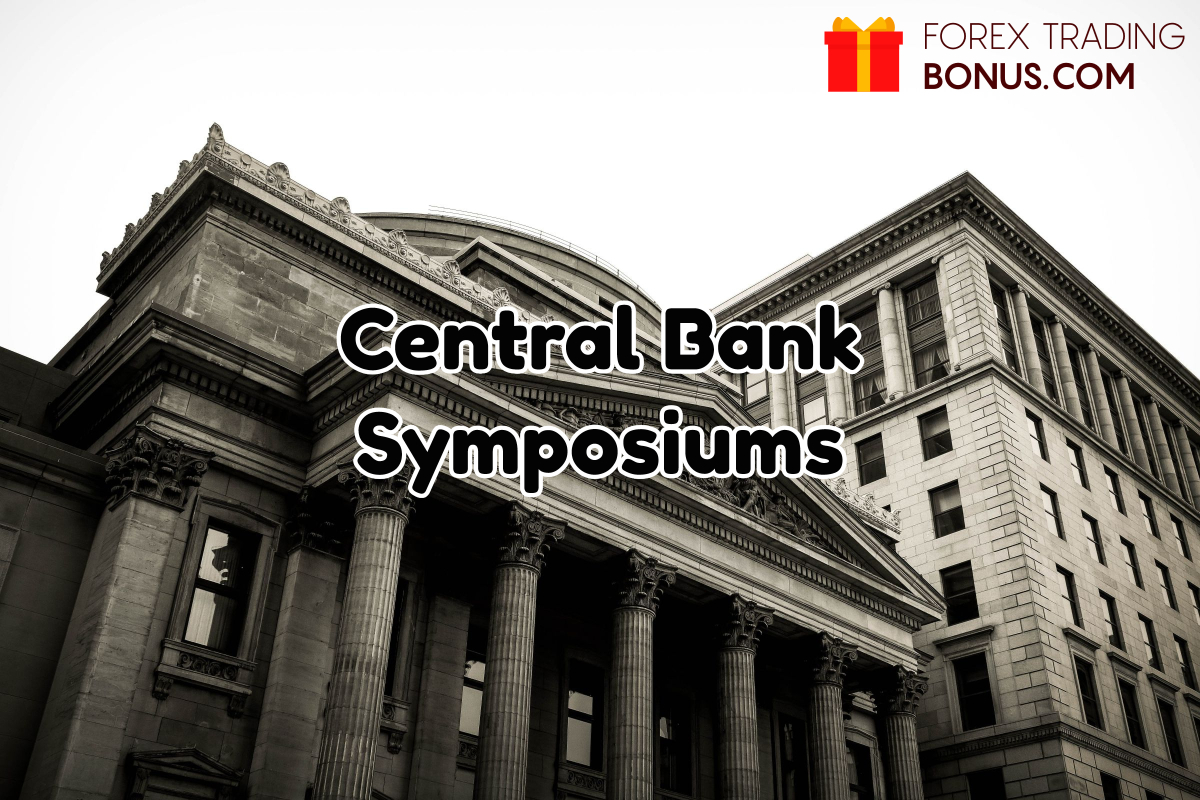
While most traders and investors keep an eye on interest rate decisions, inflation reports, and employment data, experienced pros also check central banks’ symposiums for more insights. Beginners often forget to follow these events when they can determine expectations. Expectations impact prices, and the world’s major policy gatherings play a crucial role in shaping these expectations.
In the last decade, these symposiums have triggered everything from large currency swings to sudden global selloffs, sometimes even within minutes. Let’s briefly discuss why these symposiums matter, how they can influence different global markets, and real examples showing how even one speech can reshape global price trends in a single afternoon.
What are central bank symposiums?
Central bank symposiums are high-level policy gatherings where major central banks, global financial institutions, economists, and academics all meet to discuss long-term economic topics. These meetings usually occur annually or semiannually, and while they do not define official rate decisions, they serve as a signal-setting moment. During those meetings, policymakers test new ideas and send early hints about future actions.
Top central bank symposiums
The best-known example of central bank symposiums is the Jackson Hole Economic Symposium, which is hosted by the Federal Reserve Bank of Kansas City. Others include the ECB’s Sintra Forum, the BIS Annual Meeting, and various IMF roundtables. These events bring together the Fed, the ECB, the Bank of Japan, the Bank of England, and others who collectively influence global financial markets, capital flows, and overall liquidity.
Markets usually pay close attention to these meetings because what gets said here tends to show up in policy months later, meaning the symposiums are great early signals for investors and traders.
Overall, these symposiums are where big ideas go public before they become actual policies, and traders treat them like early-warning signals for possible trends.
Why markets react so strongly
Markets respond not only to actual policymaker decisions but what policymakers hint they might do. This makes symposiums extremely sensitive moments. Several forces drive strong reactions, and we will explain them below briefly.
Forward-guidance
Central banks’ meetings can give off hints about future policy changes, and markets react quickly. When the tone is ambiguous, volatility spikes because traders try to interpret the message.
Unexpected direction
A single phrase can change expectations. In 2021, when the Fed hinted at tightening asset purchasing, Treasury yields rose almost immediately because traders began pricing in tighter policy.
Commentaries
Commentary about inflation and growth can trigger instant moves. If a policymaker sounds worried about high inflation, risk assets often fall while the country’s currency strengthens. This is because traders await lower rates, which are bullish for currency but extremely bearish for bitcoin and other risky instruments.
Signs
When multiple central banks show similar concerns, such as recession risk, inflation risks, or geopolitical shocks, markets react even faster.
These reactions are not just theoretical. When the ECB signaled rate stability in 2019, EUR/USD fell for weeks as traders unwound rate-hike bets. When the Fed warned of persistent inflation in 2022, both stocks and bonds fell because the tone suggested higher interest rates.
Symposiums vs. global investors
For global investors, these symposiums act like early signals. They provide valuable information long before central banks publish official decisions and forecasts. Investors gain clues about inflation concerns, labor market views, recession risks, and the overall direction of monetary policies.
Portfolio managers, hedge funds, and institutions watch these events closely, and money often moves rapidly before, during, and after speeches. This creates significant volatility for currency markets and for all other financial markets globally. These volatility spikes are sometimes predictable and can be used by investors, but sometimes they are unpredictable. As recent years have shown, central bank symposiums operate like mini policy moments. Even without a single official decision, markets move after a 15-minute keynote speech.
That’s why individual traders and long-term investors alike need to pay close attention and mark these events in their calendars.
By Irakli















Comments (0 comment(s))