
Election Cycles, Social Mood, and Money: How Politics Affects Your Wallet
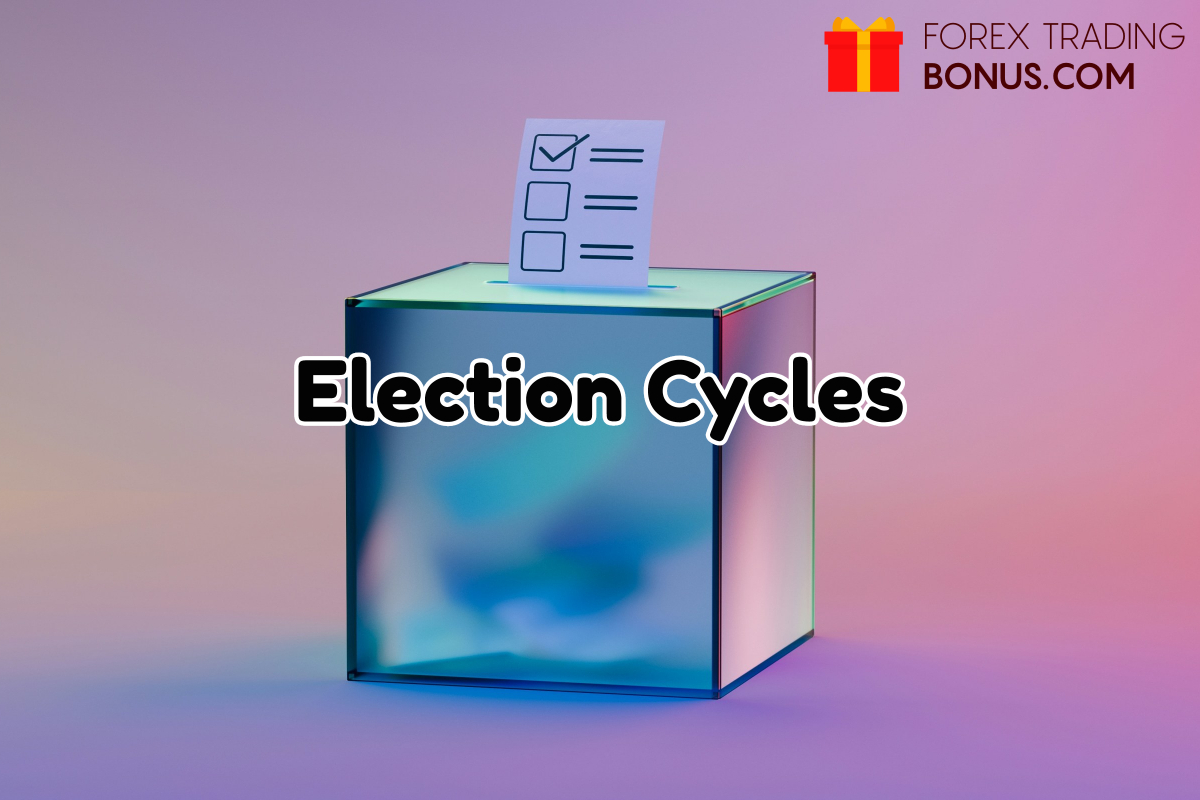
Politics can have a profound financial impact. Its influences can reach supermarkets, fuel stations, mortgage rates, investment portfolios, and even online shopping carts. Globally, election cycles quietly shape currency rates, inflation expectations, market confidence, and household spending. Before even votes are counted, financial systems begin to react to changes in public sentiment and political uncertainty. Uncertainty is usually behind volatile markets as investors try to protect their capital from unexpected fluctuations.
Why markets care so much about elections
Economics, investors, and central banks all monitor how election cycles influence economic behavior because politics does not just change laws; it can change expectations. And expectations can move money. Markets fear uncertainty. Elections introduce it by raising questions about future policies like taxes, spending, regulatory reforms, trade, and interest rates. Even when outcomes seem predictable, the transition period is usually volatile for markets. Markets want to know whether government spending will increase or tighten, whether taxes will change on businesses or households, trade policy shifts, central bank policies, and political stability. Because money moves ahead of decisions, markets start adjusting months before election day.
Social mood: The hidden force behind economic behavior
Elections usually reflect broader social mood than just policies: optimism, fear, anger, or confidence within society. Behavioral economists and market experts have long noted that public sentiment often precedes economic trends.
How social mood affects money
Optimistic societies tend to spend, invest, and take higher risks, while pessimistic societies save more, cut spending often, and prefer safe assets. Polarized societies, on the other hand, experience higher volatility as expectations change rapidly. This is why markets can rally or fall sharply even before a single policy is announced.
Currencies: The first market to react
Currency markets or Forex usually respond to political changes the fastest. Exchange rates reflect confidence in a country’s economic direction and overall economic stability.
During election cycles, FX pairs react to the following:
- Perceived fiscal policy changes and excess spendings
- Trade policy uncertainty
- Populist vs market-friendly platforms
- Risks to central bank independence
- Potential geopolitical shifts
Reforms with fiscal policies can seriously impact markets and throw them into a frenzy to move more sharply. Political uncertainty over who will win and what policies they will implement creates uncertainty, and markets become much more volatile than usual, making it riskier for investors to trade or invest.
Inflation expectations and price changes
Inflation is the number one metric that can be devastating for the currency and economy. It is shaped by expectations as much as supply and demand. Election promises, especially those concerning spending or price controls, directly affect how businesses and consumers might behave.
Common election-driven inflation effects
Promises of large public spending raise inflation expectations, while subsidy promises can reduce prices temporarily, then raise them later. Price controls can suppress inflation in the short term, but it distorts supply. Tax cuts can increase consumption and are bullish for stock markets. If households expect prices to rise, they will buy products earlier, which pushes inflation higher.
Investments: Volatility, rotation, and timing
Elections rarely crash markets in developed countries on their own, but they often influence investment flows. Over the years, several typical election-cycle investment patterns have emerged. The first one is pre-election caution, when investors reduce exposure and cause rising volatility in markets. Sector rotation usually includes changes in money flow dynamics. Money typically flows into sectors favored by expected policies (energy, defense, healthcare, infrastructure, and more). Post-election relief rallies are sometimes also happening, depending on who wins the race. Once uncertainty clears, markets slowly stabilize, even if policies are imperfect. In the end, markets usually prefer clarity over ideology, and the decisive result often matters more than which party or candidate wins.
Interest rates, central banks, and political pressure
While central banks are designed to be independent, election cycles usually bring political pressure, especially during periods of high inflation or rising unemployment rates. Governments can pressure central banks for lower rates before elections to stimulate growth. Markets usually worry about central bank independence under populist leadership. Perceived political interference can weaken currencies and raise borrowing costs for both businesses and households. When investors fear that politics can influence monetary policies, risk premiums rise, which affects mortgages, loans, and government debt.
Everyday costs: How politics reaches your budget
While financial markets react first to elections, households feel the effects slowly. Currency weakness raises import costs, making nearly all products expensive in export-dependent economies. Trade policies impact food supply chains while energy policy influences fuel and electricity prices. Election promises around rent controls, taxes, or zoning affect property markets, while interest rate uncertainty changes mortgage affordability. Business confidence usually drops before elections as businesses take a cautious stance, slowing hiring. Policy clarity, which occurs post-election, can promote investment and job growth.
By Irakli















Comments (0 comment(s))